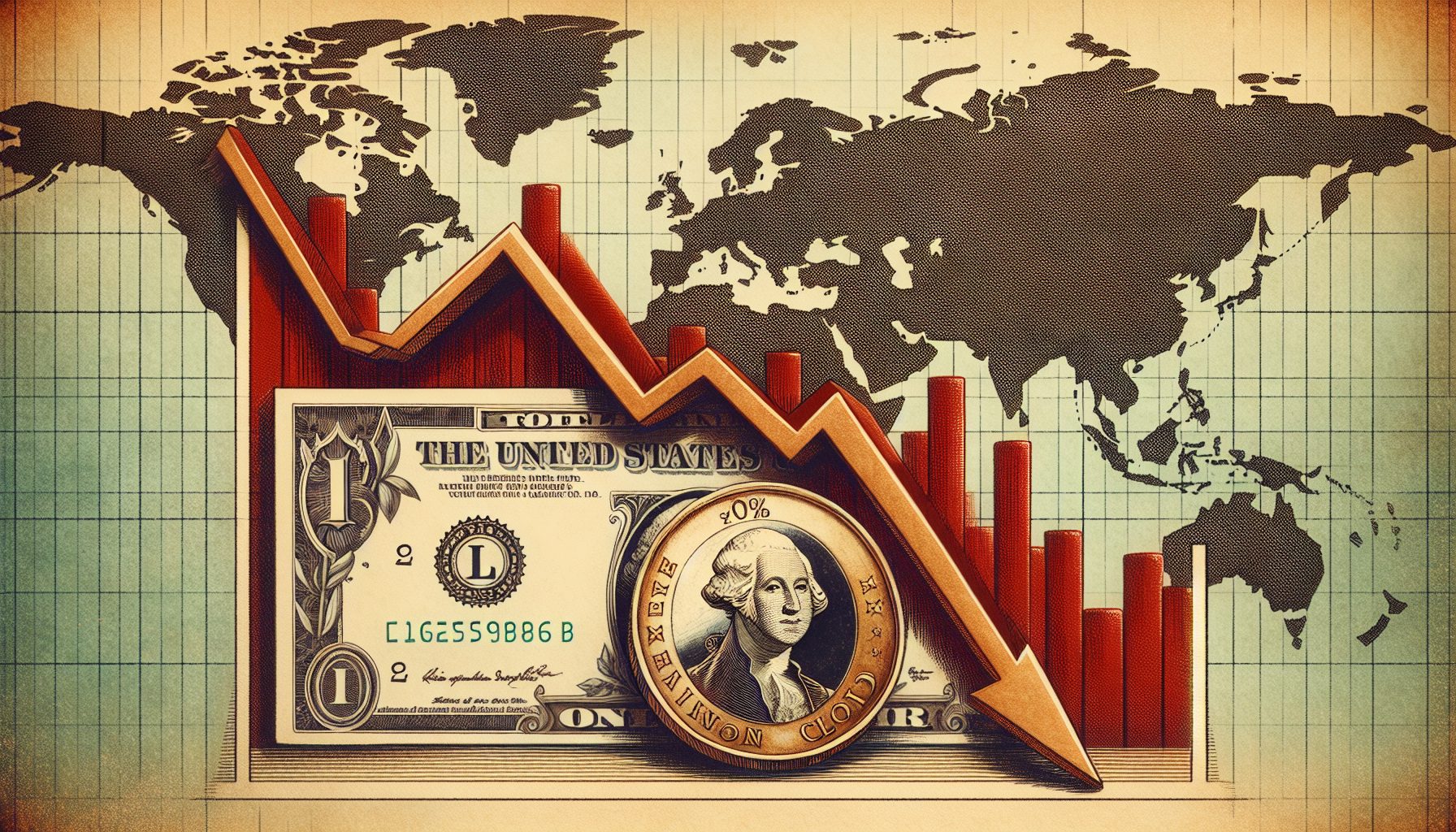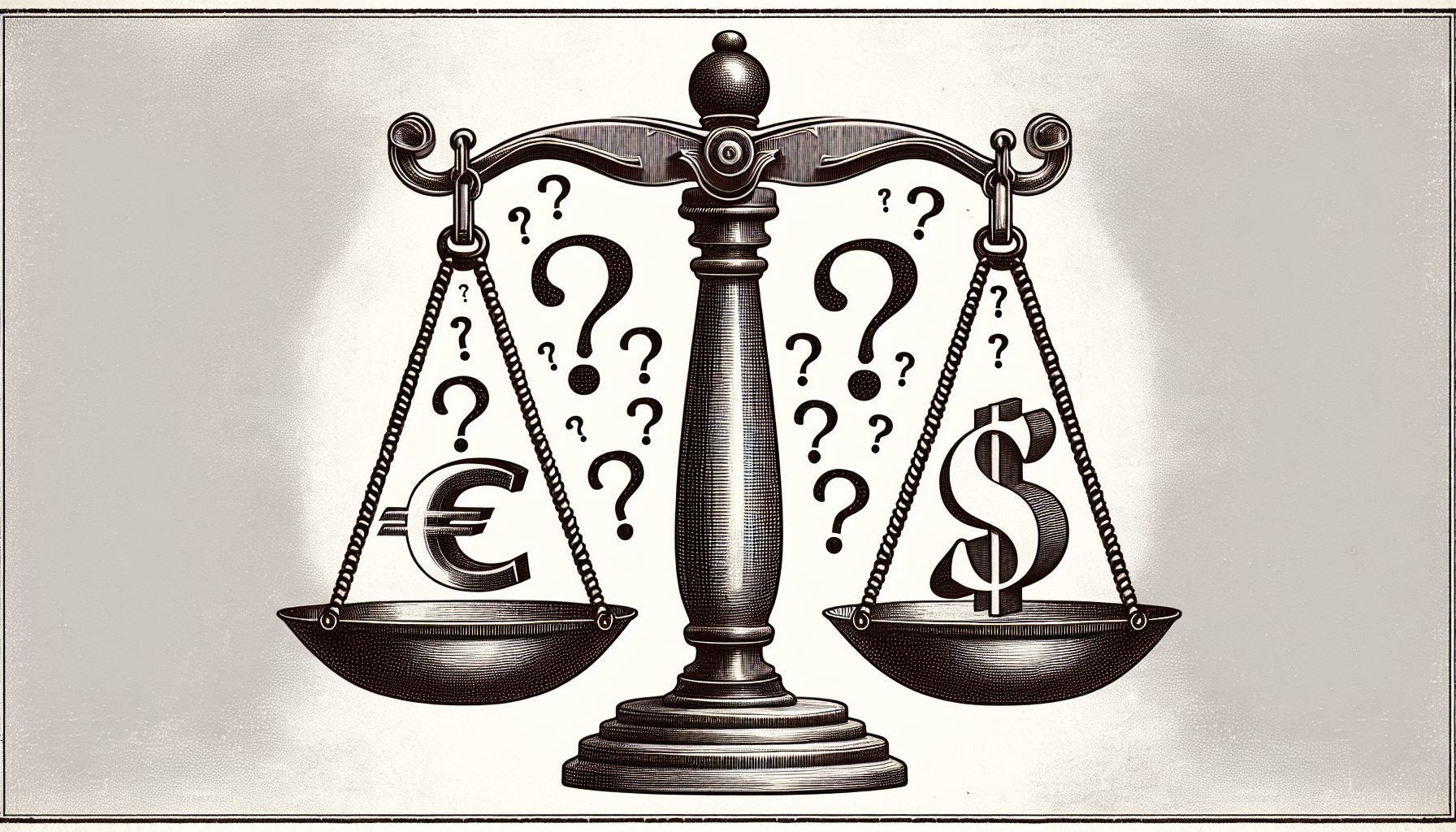
LONDON/BERLIN (Reuters) – More European governments followed Germany’s lead on Monday offering guarantees to savers in a frantic effort to calm fears among investors over the worst financial crisis in nearly 80 years.
The moves failed to comfort financial markets. Investors from Tokyo to New York sold riskier assets in alarm at the prospect of further tightening of credit and bank lending and a potentially serious global economic recession.
Despite concerted efforts to stem the crisis, investors were clearly seeking more concrete steps from authorities, perhaps in the form of coordinated action from next weekend’s meeting of the Group of Seven industrial nations.
Economies that gained most from the boom in commodities demand and surging global expansion in the last three years were at the sharp end of market moves.
Russia halted share trading for an hour after its benchmark stock index sank more than 14 percent to a three-year low, while Gulf equities crumbled as fears mounted that the fallout from Europe and the U.S. would strike the region.
Iceland’s crown tumbled 20 percent against the euro after the government failed to produce a stability plan over the weekend.
The country has been a prime target for foreign deposits over the past few years because of its high interest rates. Demand is now unwinding rapidly as investors flee anything considered risky.
Governments and financial authorities across the globe, meanwhile, battled to restore confidence.
The Bank of Japan offered to lend 1 trillion yen ($9.68 billion) to banks in an auction to inject liquidity into the market. South Korea said it wanted crisis talks with Japan and China.
Sweden became the latest European Union country to act, with the government saying it would expand bank deposit guarantees and the central bank raising the amount of loans offered to banks.
It followed Germany’s pledge on Sunday to guarantee private deposit accounts, a move which spurred similar action by Austria and Denmark. Ireland issued the first such guarantee last week, prompting criticism of a fragmented European Union response.
In Spain, Economy Minister Pedro Solbes said his government was prepared to guarantee deposits unilaterally if the European Union did not act.
“If there isn’t (an EU agreement) as soon as possible, we will consider our position and if we have to take a decision we will do so,” Solbes said.
Finance ministers from the euro zone countries were to meet in Luxembourg later on Monday.