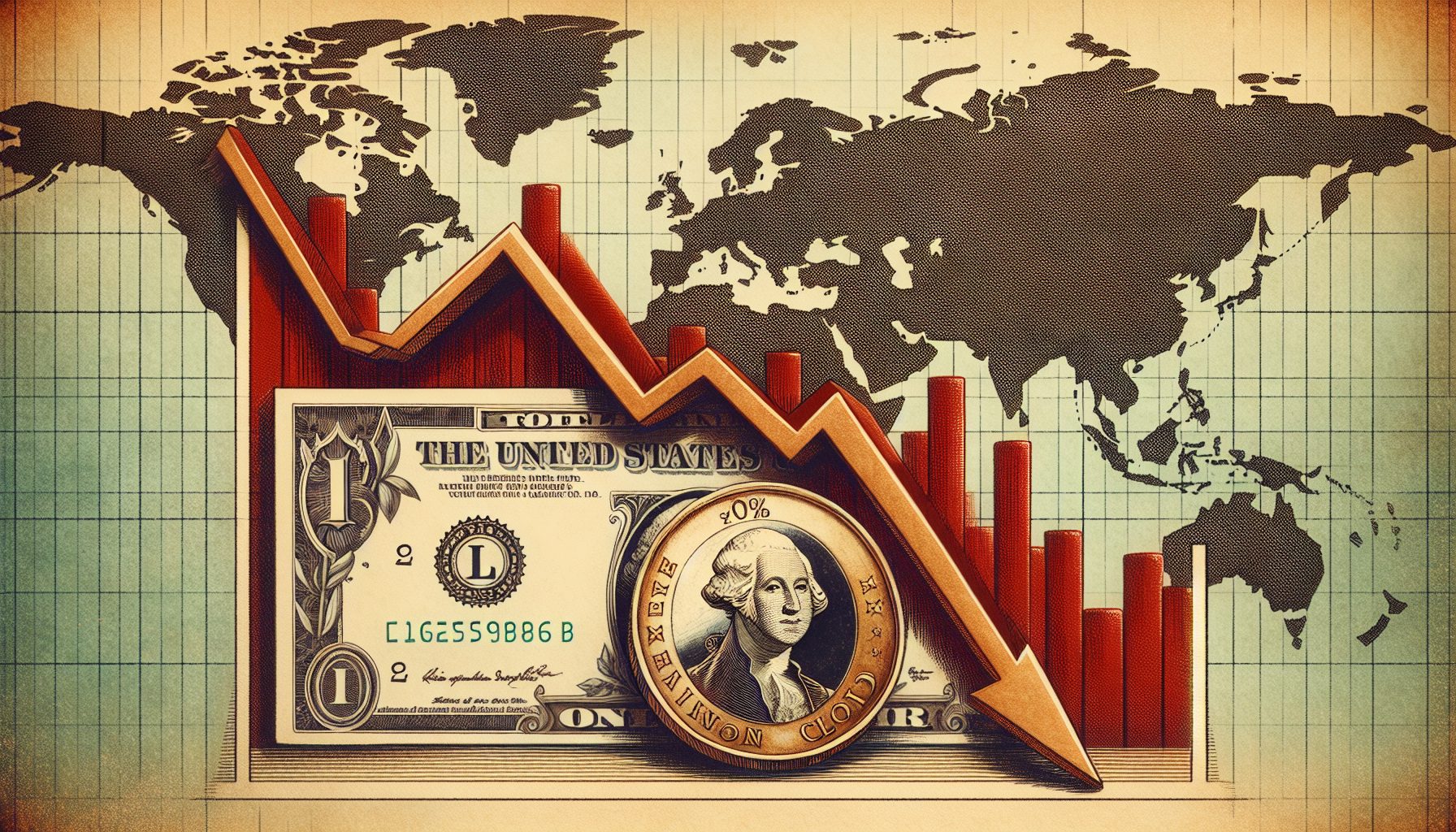
NEW YORK (Reuters)- Bear Stearns, the fifth largest U.S. investment bank, on Friday saida cash crunch forced it to turn to the Federal Reserve and JPMorganChase for emergency funds, intensifying fears of a widening globalcredit crisis and driving its shares down as much as 50 percent.
The 28-day emergency line of finance came just days after Bear,which has been hard-hit by its heavy exposure to the faltering U.S.mortgage market, had dismissed market rumors of a cash crunch and saidit still was a healthy player in the global web of trading and finance.
But its line changed on Friday. Bear Stearns’ chief executive, AlanSchwartz, in a statement explaining how the bank turned to the Fed anda rival bank, said: "Our liquidity position in the last 24 hours hadsignificantly deteriorated.
"We took this important step to restore confidence in us in themarketplace, strengthen our liquidity and allow us to continue normaloperations."
Shares of Bear, which specializes in mortgage finance and trading,dove to a decade-low on record volume immediately after the news hit,bashing other financial stocks and dragging down both U.S. and Europeanmarkets. The Dow Jones index was down 235 points to 11,911 in afternoontrade. Bear Stearns shares were down 40 percent at $34.20, afterfalling as low as $28.42 earlier.
"You’ve got a run on the bank situation where no one will accept anyBear Stearns collateral no matter what it is," said Brian Barish,president of Denver-based Cambiar Investors LLC, which oversees $8billion. "This is the nastiest episode I have seen in decades."
"Even if they weren’t in a liquidity crisis before, the rumorsbecame self-fulfilling," added Jane Caron, senior vice president andchief economist strategist at Dwight Asset Management in Burlington,Vermont.
The Fed move is latest effort by the U.S. central bank to soothefinancial markets in response to a widening credit crisis spurred byrising mortgage defaults.
Bear Stearns has more exposure to the U.S. bond markets than itscompetitors and has a large mortgage-backed securities business. It wasamong the first to disclose the impact of the subprime mortgage marketmeltdown when two of its leveraged hedge funds collapsed last summer,losing $1.6 billion.
Under the agreement, the Federal Reserve Bank of New York andJPMorgan Chase agreed to provide an unspecified amount of securedfunding to Bear for up to 28 days. The Fed will provide non-recourse,back-to-back financing to JPMorgan Chase, which said it is "workingclosely with Bear Stearns on securing permanent financing or otheralternatives for the company."
Industry watchers predicted dire consequences for the bank goingforward, suggesting that one alternative would probably be a sale.
"With the market’s reaction, I’d say stick a fork in them, they’redone," said James Ellman, portfolio manager at Seacliff Capital, a SanFrancisco-based hedge fund. "The company clearly has to choose from aset of unpalatable choices: sell a large amount of equity, sell thecompany outright, or sell assets and try to hold on and hope for thebest."
"The situation is very much that Bear Stearns was very close to theedge and it was much worse than we all thought," said MichaelKlawitter, currency strategist at Dresdner Kleinwort, Frankfurt.
Analysts said the news from Bear, which came just one day afterinvestors had been soothed by a Standard & Poor’s report thatsubprime mortgage-related write-downs are likely more than halfwaydone, suggested that the full impact of the global credit crisis hasyet to be felt.
"This tells you we’re not over the worst yet, and there are stillsome players out there who are vulnerable," said Stephen Dowds, head ofinternational equities at Northern Trust in London. "We expect moretransparency next week when we get results from the U.S. financialsector.
Shares of Lehman Brothers Holdings Inc, fell 12.1 percent to $40.44,Morgan Stanley fell 4.8 percent $39.60, and Goldman Sachs Group Incfell 3.8 percent to
$159.12.
Standard & Poor’s on Thursday also said that more write-downs inother areas — including prime mortgages — are still possible.
JPMorgan said it does not believe the Bear transaction exposes its shareholders to any material risk.
The U.S. Securities and Exchange Commission said it has been inclose contact with the Department of the Treasury, the Federal Reserveand the Federal Reserve Bank of New York during the financing talks.
(Additional reporting by Dan Wilchins and Jui Chakravorty, editing by Leslie Adler)
? Reuters 2008 All rights reserved