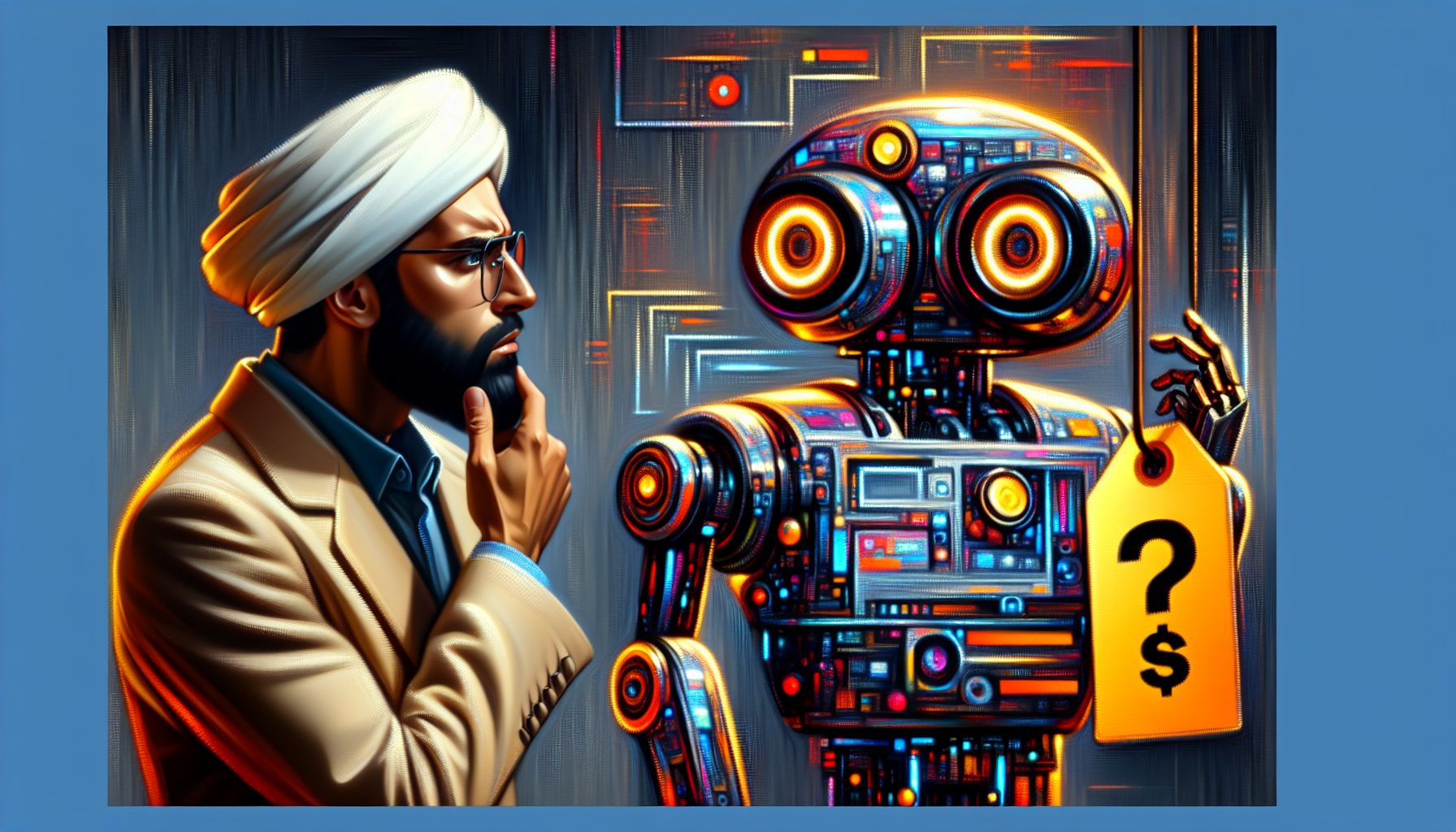

Let?s think about the customer for a minute?not your customer but you, thecustomer. What isn?t working for you?
The cell phone company whosecalling plans and rules are so complex you?ve started looking at carrierswith no-contract deals and voice over IP alternatives.
Companieslike these are awash in technology but put at risk their most important asset: thecustomer.
We in business are well aware that behind the scenes there is somefundamental disconnect between the power technology gives them and theirbusiness plan for using it. So what technology gives, technology takes away: Theircustomers will leave eventually, and they can do so easily today because oftechnology.
PeterDrucker, the famous management writer who coined the term ‘knowledge worker’ once said, ?The purpose of a business is to create a customer.?
Is thatreally the purpose of our companies? Or are we focused intently on ournavels? Do we milk a product with needless modifications long past its usefullife? Do we hide from customers behind mind-numbing, anger-inducing telephonetrees? Do we leap out of small print and shout, ?Gotcha!? at our most loyalcustomers? Do we barrage them with a confusion of e-mail and snail mail simplybecause we can?
If you?renot guilty of these things (are you sure you?re not?), why do they seem soprevalent among other companies?
Perhaps it?s a sort of deer-in-the-headlightsreaction to the frenzy of changes in technology and the competitive landscape.Perhaps it?s because their executives are living in the short-term; they knowthey will be here personally for this quarter?s numbers announcement, but canthey even imagine being here in five years?
Perhapsit?s because they lack the tools to understand what they?re doing to thecustomer and why. We don?t let our suppliers treat us this way. Companies today (thinkWal-Mart and Toyota) get activelyinvolved in the business of their suppliers. They seek to understand how thosesuppliers work internally, to make sure what their suppliers do syncs with whatthey do.
Recoveringfrom a customer-be-damned spiral requires a new mindset or course, but thismeans more than cute slogans framed and hanging on the wall. We need a broaderperspective: We need to see our business as an extended enterprise, thatis, one that doesn?t begin or end at our four walls.
What thismeans in a global, knowledge-based economy is that what we need to know verylikely resides on the outside. Most smart people don?t work for us. It is nolonger about dictating terms to a supplier, but rather learning what thesupplier might know that we don?t. In the same spirit, are we ignorant of whatour customers know?
Wehaven?t been terribly good at listening to them. We often lack an ?operational?picture of our customers. That means we don?t see what the customer does withour offering, and how and why. This is not about a customer?s SAT score. This is about aligning ourbusiness to the needs of the customer.
We needto understand who their customers are, what technology they employ,whether their processes might be better designed, who their competitors are,and where their threats and opportunities lie. And in all of this, we need toknow how we might help them get where they want to be. This applies to businessand consumer customers (yes, consumers have processes for washing clothes,mowing yards and brushing their teeth).
We needto understand how our processes affect those of our customers. Are ourunits or divisions warring with each other for pieces of a static pie, orstudying the customer and potential customer for new ways to please them? Arewe operating inefficiently, because no one is assessing the impact of time andcost on the customer?
Are westill producing the same things the same way because that?s what we know, eventhough the customer has moved on to something new? Are our business goals, ouractivities and our technology converged, or is everyone doing his own thing?
It becomesclear rather quickly why companies alienate us. It?s not deliberate. Who wouldadopt that as a strategy? Rather, it results from a misalignment or dysfunctionin policies, procedures, processes and people.
The enterprise is not extended.It?s not hard to spot the roots of disaffected customers in our organizationalstructures, incentives and goals, information flows, and technology investmentsand management?if we look at them from our customers? point of view.
In short,we are doing it to the customer?and to ourselves.
FAISAL HOQUE is chairman and CEO of BTM Corp. BTM innovates new business models and enhances financial performance by converging business and technology with its unique products and intellectual property. ? Faisal Hoque